Invoicing5 min
Invoicing Your First Client: A Beginner's Guide for New Freelancers
Sending your first invoice as a freelancer? Learn what new freelancers forget, how to set payment terms, and why a professional template builds trust.
slimzaak redactie6 min read
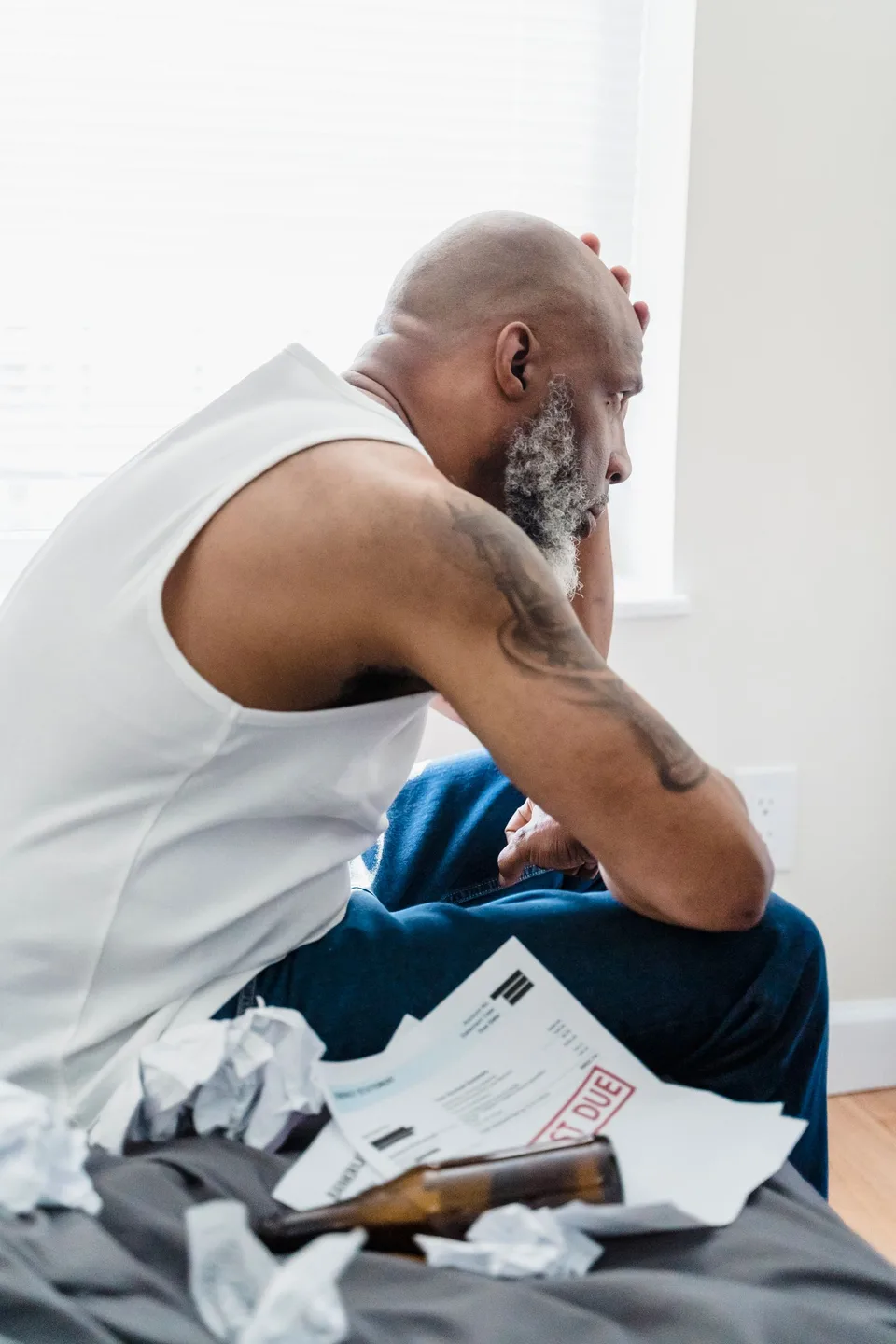
An invoice sails past its due date and the client goes quiet. It happens to almost every freelancer and small business that invoices clients in the Netherlands, and how you handle the first few weeks makes a real difference to whether you get paid at all. Dutch law gives you a clear path to follow: a friendly payment reminder, then a formal demand letter with specific legal requirements, then statutory interest, and finally debt collection or court. Skip a step or get the wording wrong, and you can lose your right to charge collection costs. Here's the process in the right order.
Before you reach for legal language, send a simple payment reminder. Most late payments aren't malicious — an invoice gets buried in an inbox, a bookkeeper is on holiday, or a payment run was simply missed. A short, professional email a few days after the due date solves the majority of cases without any friction.
A good reminder includes:
Keep the tone neutral and businesslike — this is still a routine nudge, not an accusation. It's also worth building good invoicing habits from the very first client, so reminders like this become the exception rather than the rule; our guide on invoicing your first client as a freelancer covers the basics of getting paid on time from day one.
Keep a record of when you sent the reminder and through which channel. If the client still doesn't pay, that paper trail becomes important for the next step.
If the reminder goes unanswered, the next step is a formal demand letter, known in the Netherlands as an aanmaning. This is where Dutch law gets specific, particularly when your client is a consumer rather than a business.
A proper aanmaning states:
If your client is a consumer (B2C), Dutch law requires you to send what's known as a 'veertiendagenbrief' — a 14-day notice — before you're legally allowed to charge extrajudicial collection costs on top of the invoice. This letter must:
Miss this notice, word it incorrectly, or set too short a deadline, and you can lose the right to recover those collection costs later — even if you eventually win in court. For business clients (B2B), the law doesn't mandate this specific 14-day letter, but sending one anyway is good practice and often required under your own general terms and conditions.
Send the aanmaning in a way you can prove: email with a delivery or read confirmation, or registered post. For an overview of your obligations when dealing with late-paying clients, business.gov.nl is the official Dutch government portal for entrepreneurs and a useful reference point.
Once an invoice is overdue, Dutch law entitles you to charge statutory interest on top of the outstanding amount. Which rate applies depends on who you're invoicing:
Both rates are set by the Dutch government and reviewed periodically, so a percentage that's accurate today may be outdated in six months. Rather than quoting a fixed number here, always check the current rate on the official Rijksoverheid rate page before applying it to an invoice, and recalculate if a case drags on across a rate change.
If the 14-day period in your aanmaning passes with no payment, you have two realistic routes forward.
A debt collection agency (incassobureau) takes over communication with the client, sends further formal letters, and applies pressure through phone contact and negotiation. Agencies typically work on a percentage of the recovered amount or a fixed fee, and can often recover the collection costs you were entitled to charge under the aanmaning, on top of the invoice and interest.
The subdistrict court (kantonrechter) is the Dutch civil court that handles claims up to €25,000, which covers the vast majority of unpaid invoices for freelancers and small businesses. You don't need a lawyer to start a kantonrechter procedure, which makes it relatively accessible compared to higher courts. You'll need your invoice, proof of the reminder and aanmaning, and evidence of delivery, so keeping that documentation from steps 1 and 2 pays off here. If your client is based in another EU country, the European Small Claims Procedure can be a faster alternative for cross-border claims.
Going to court is a last resort — it costs time, court fees, and energy that most invoices don't require if you've followed the earlier steps correctly.
Chasing unpaid invoices is time you'd rather spend on client work. Most late-payment problems trace back to loose payment terms, unclear invoices, or reminders that go out too late — or not at all.
A few habits make a measurable difference:
slimzaak shows the payment status of every invoice — paid or outstanding — directly in your administration, so you see overdue invoices the moment they slip past their due date instead of discovering them weeks later. Combined with automatic invoicing, you can send invoices consistently and follow up before a friendly reminder turns into a formal aanmaning. The free ZZP plan is €0 per month for up to 250 invoices, so there's no cost barrier to getting your invoicing process under control.
Sending your first invoice as a freelancer? Learn what new freelancers forget, how to set payment terms, and why a professional template builds trust.
Freelance hourly rate calculator logic explained: the formula, a worked example, and how to sanity-check your rate against the market before you quote a client.
Connect your store and see your first automatic invoice within minutes.
Free plan available · No credit card required · Cancel monthly