

How to Become a Freelancer in the Netherlands: A Step-by-Step ZZP Guide
Want to start a business in NL as a sole trader? This guide covers KVK registration, your Dutch VAT number, a business bank account, and your first invoice.
·slimzaak redactie·7 min leestijd

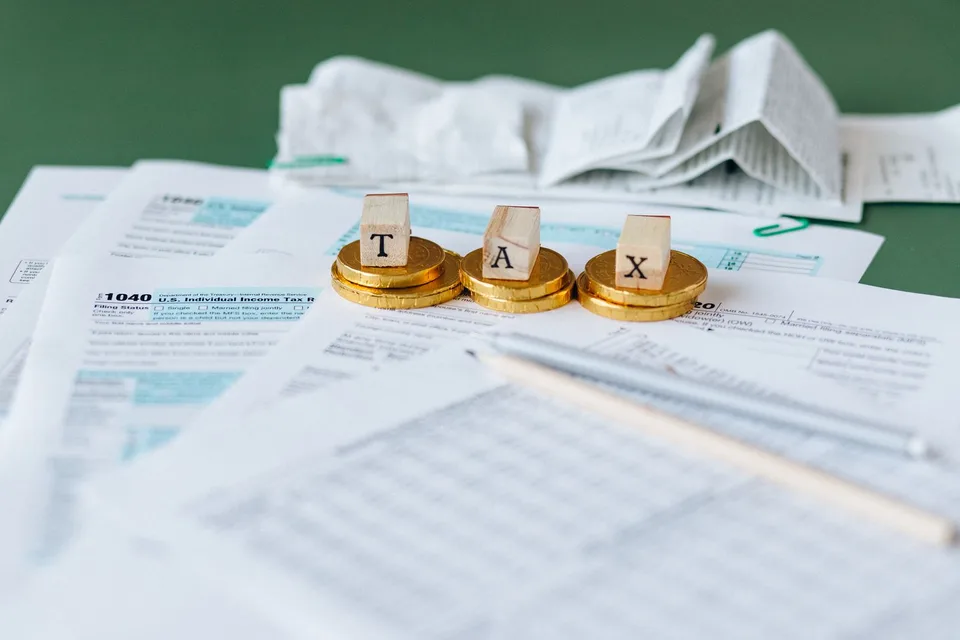
If you work as a zzp'er (self-employed professional) in the Netherlands, the tax system offers several deductions and exemptions designed specifically for small business owners. Used correctly, they can significantly reduce the amount of income tax you pay on your profit. The catch is that each scheme has its own conditions, and some require a deliberate choice rather than happening automatically. This article walks through the four benefits every Dutch freelancer should know: the zelfstandigenaftrek (self-employed deduction), startersaftrek (starter deduction), mkb-winstvrijstelling (SME profit exemption) and the kleineondernemersregeling or KOR (small business VAT scheme). We also cover which everyday business costs are deductible, and how slimzaak helps you capture them without the year-end scramble.
The zelfstandigenaftrek is the best-known tax benefit for Dutch freelancers. It's a fixed amount you may deduct from your business profit before calculating how much income tax you owe. To qualify, you need to meet the urencriterium (hour criterion):
Both conditions matter, and the Tax Authorities can ask you to prove the hours you logged — not just billable client hours, but also time spent on quotes, admin, marketing and travel for the business. Keeping a simple, consistent hour log throughout the year saves you from reconstructing it under pressure later; our administration checklist for freelancers walks through what else to track alongside your hours.
The deduction amount itself changes every year and has been gradually reduced by the government in recent years, so rather than quoting a figure that will be outdated by the time you read this, check the current amount directly on belastingdienst.nl. If your profit is lower than the deduction, you generally can't create a negative result beyond a certain point — but any unused amount can typically be carried forward, again subject to the rules published by the Tax Authorities.
On top of the zelfstandigenaftrek, new freelancers can usually claim the startersaftrek (starter deduction) — an additional fixed amount that further reduces your taxable profit. It exists to soften the financial pressure in the early years of a business, when revenue is often still building up.
In broad terms, you can claim the startersaftrek in up to three of the first five years you're self-employed, provided you:
Because the exact conditions and the deduction amount are subject to change, and because edge cases (for example, if you previously ran a different business or worked as a director-shareholder) can affect eligibility, it's worth confirming your specific situation on belastingdienst.nl rather than assuming. When you do qualify, the zelfstandigenaftrek and startersaftrek combined can meaningfully lower your tax bill in exactly the years your cash flow needs it most.
After the zelfstandigenaftrek and startersaftrek have been applied, there's still one more benefit in play: the mkb-winstvrijstelling (SME profit exemption). This exempts a fixed percentage of your remaining profit from income tax entirely.
A few things make this scheme different from the deductions above:
Because it doesn't depend on hours worked, the mkb-winstvrijstelling still applies even if you run your business alongside a full-time job and never qualify for the zelfstandigenaftrek. The percentage itself is set by the government and adjusted periodically, so again, treat the current rate on the Tax Authorities' website as the source of truth rather than a number you saw last year.
The kleineondernemersregeling, or KOR, works differently from the three schemes above: it's not an income tax deduction at all, but a VAT scheme, and it's something you actively choose rather than something applied for you.
If your annual turnover stays under the KOR threshold, you can opt in and:
Whether that trade-off makes sense depends heavily on your situation. If most of your customers are private individuals (B2C) and your costs are low, not charging VAT can make your prices more competitive and simplify your admin. If you mostly invoice VAT-registered businesses (B2B) — who reclaim the VAT you charge anyway — or you're about to make a large VAT-bearing investment, staying in the regular VAT system and reclaiming input VAT is often more favourable.
The KOR is also a multi-year commitment in practice: once you opt in, switching back isn't instant. If you decide against the KOR, your VAT filing rhythm still matters for planning — see our article on choosing your VAT filing frequency for quarterly versus annual filing. Either way, confirm the current turnover threshold and application process on belastingdienst.nl before deciding.
All four schemes above reduce your tax bill on the profit side. The other lever is keeping your deductible costs complete, so your profit — and therefore your tax base — is calculated correctly in the first place. Common deductible costs for Dutch freelancers include:
The common thread: the cost has to be genuinely business-related, and you need a proper invoice or receipt to substantiate it. Costs you use partly privately, such as a phone plan, are only deductible for the business-use portion.
In practice, the hard part isn't knowing what's deductible — it's not losing the receipt between the till and your bookkeeping. That's exactly what slimzaak's costs and receipts feature is built for: photograph or upload a receipt, and AI-scan reads the amount, VAT and supplier straight into your administration, ready for your VAT summaries and reports. Note that slimzaak records and organises your costs — it never files your VAT or income tax return itself; that final step is always yours or your accountant's. For a broader view of what else belongs in a freelancer's bookkeeping routine, see our administration checklist for freelancers. And since slimzaak's ZZP plan starts at €0 per month, there's no cost barrier to getting your receipts organised from day one.
The urencriterium (hour criterion) requires you to spend at least 1,225 hours per year on your business, and to spend more time on your business than on any other activity such as a job elsewhere — unless you only recently started as a freelancer, in which case that second condition doesn't apply. Keep a consistent log of the hours you spend, since the Tax Authorities can ask for evidence. Check belastingdienst.nl for the current deduction amount and full conditions.
Yes. The startersaftrek is an additional deduction on top of the zelfstandigenaftrek, available in up to three of your first five years as a freelancer, provided you meet the urencriterium and the other conditions set by the Tax Authorities. Together they give a larger deduction in exactly the years your business is still ramping up.
No. The mkb-winstvrijstelling is applied automatically to any profit from your business, regardless of whether you meet the urencriterium. It exempts a fixed percentage of your remaining profit (after the zelfstandigenaftrek and startersaftrek, if applicable) from income tax, so you don't need to opt in or submit a separate request.
It depends on your customer base and costs. If your turnover is under the KOR threshold, your customers are mostly private individuals, and you have few VAT-bearing costs, the KOR can simplify your admin and make you more price-competitive since you stop charging VAT. If you mainly invoice VAT-registered businesses, or you plan a large investment where reclaiming VAT matters, staying in the regular VAT system is usually more favourable. Check the current threshold and terms on belastingdienst.nl before opting in.
Want to start a business in NL as a sole trader? This guide covers KVK registration, your Dutch VAT number, a business bank account, and your first invoice.
Not sure which VAT filing frequency applies to your business? Learn when quarterly, monthly, or annual VAT returns apply, and how to request a change with the Belastingdienst.
Koppel je winkel en zie binnen een paar minuten je eerste automatische factuur.
Gratis plan beschikbaar · Geen creditcard nodig · Maandelijks opzegbaar